Wheel Balancer Quality Control Checklist for Importers
Wheel Balancer Quality Control Checklist for Importers
A wheel balancing machine supplier should be able to explain how each machine is assembled, calibrated and checked before shipment. For importers and garage equipment distributors, wheel balancer quality control directly affects installation experience, measurement repeatability and the number of service questions received after delivery.
Autokato Engineering provides OEM and ODM manufacturing for automotive service equipment brands and distributors. The following checklist helps professional buyers evaluate a wheel balancer factory inspection process without relying only on a demonstration result from one machine.
1. Confirm the Approved Model Configuration
Inspection begins with the approved specification. Confirm the supported rim diameter and width ranges, maximum wheel weight, shaft size, measuring modes, input voltage, frequency, motor configuration and included cones or accessories. The control panel, cabinet color, labels and manual should match the model ordered by the importer.
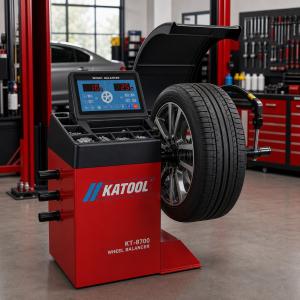
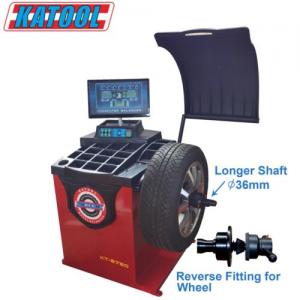
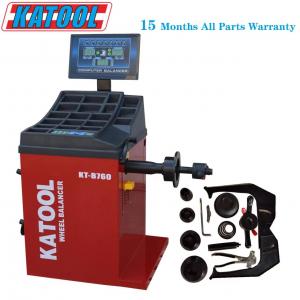
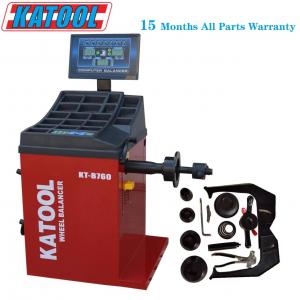
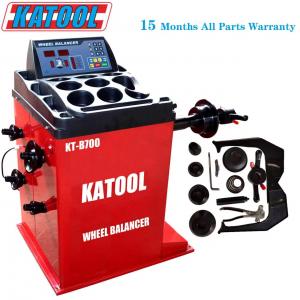
The Autokato KT-B760 wheel balancer machine and Autokato KT-B750 wheel balancer are useful reference models for buyers comparing passenger-car wheel service equipment. Larger commercial wheels require a different capacity and handling plan.
2. Inspect Mechanical Assembly
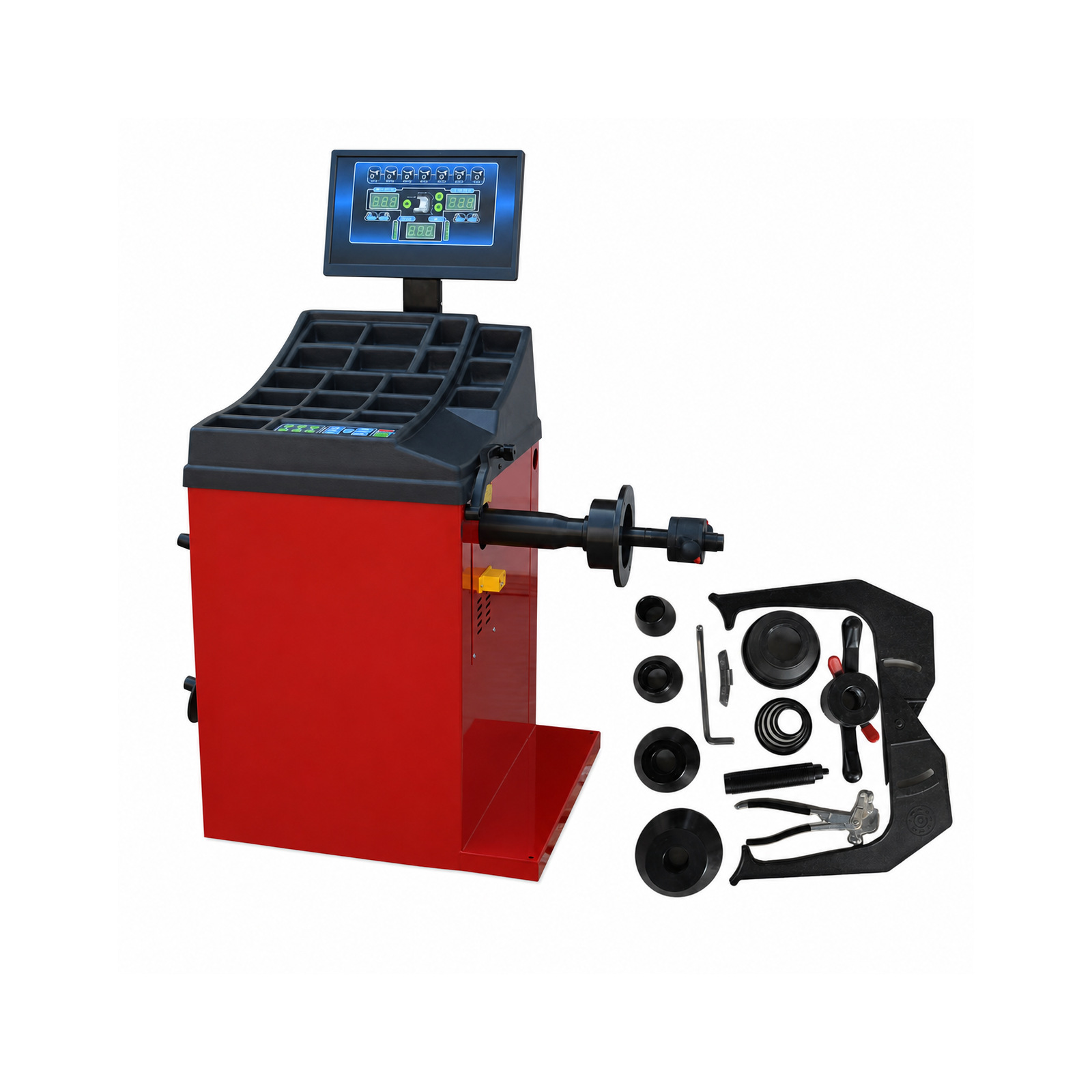
The cabinet, shaft assembly, display support, wheel guard and storage surfaces should be securely installed. Inspect fasteners, cable routing and the movement of adjustable parts. The shaft and mounting components should be clean and free from damage that could affect wheel seating.
A wheel balancer can produce unstable results when cones, adaptors or contact surfaces are damaged or incorrectly fitted. Factory inspection should therefore include the accessories supplied with the machine, not only the electronic display.
3. Check Shaft Runout and Wheel Mounting
Shaft condition is central to repeatable balancing. Inspectors should verify shaft rotation, mounting surfaces and the fit of the supplied cones and quick nut. Excessive movement, contamination or poor seating can introduce measurement variation before the balancing program even starts.
The test wheel should be mounted according to the machine instructions. Releasing and remounting the same wheel is a useful way to check whether the mounting method and measuring system can reproduce a consistent result.
4. Verify Calibration and Measurement Repeatability
A factory quality check should confirm that the wheel balancer has completed the required calibration procedure. The same test wheel can then be measured several times to compare indicated imbalance values and positions. A repeatability check is more informative than one successful spin because it tests whether the machine returns stable information under the same conditions.
Importers should ask which reference weights, test wheels and acceptance criteria are used. Calibration records should identify the machine or production batch when traceability is required.
5. Test Balancing Modes and Data Entry
Inspect the operating modes applicable to the ordered model, including standard dynamic balancing and any static or alloy-wheel programs. Verify that distance, diameter and width data can be entered or measured correctly. Buttons, display segments, indicators and protective guard functions should operate as intended.
For importers serving commercial-vehicle workshops, the Autokato KT-B790 heavy duty truck wheel balancer should be evaluated with the appropriate larger-wheel capacity, lifting or handling requirements and accessories.
6. Complete Electrical and Safety Checks
Confirm the rating plate, voltage, frequency, plug configuration, grounding arrangement and cable condition. Switches and protective devices should be checked before packaging. Labels should be readable and positioned consistently with the approved configuration.
Requirements vary by destination and model. Buyers should review relevant documentation and should not assume that one certificate applies to every configuration or market.
7. Review Manuals and Calibration Instructions
The operating manual should match the control panel and software functions of the delivered machine. It should explain installation, basic operation, calibration, routine checks and common troubleshooting steps. Importers can review available wheel balancer operation and installation manuals when preparing technical support materials.
Buyers comparing specifications before ordering can also use the wheel balancer machine buying guide for tire shops to organize capacity and workflow requirements.
8. Inspect Packaging and Included Accessories
Before closing the package, confirm the cones, quick nut, caliper, weight pliers, wheel guard components and any optional accessories listed for the model. Parts should be secured so they cannot damage the shaft, display or cabinet during transport. Carton labels, model numbers and packing lists must agree.
Importer Acceptance Checklist
A practical pre-shipment record should include the model and serial reference, specification check, assembly inspection, shaft and mounting check, calibration result, repeatability test, program test, electrical inspection, accessory count and packaging approval. Photos or test videos may be added for new OEM projects or special configurations.
Conclusion
Wheel balancer quality control should verify repeatable measurement, correct assembly and complete documentation rather than relying on appearance alone. Importers can learn more about the Autokato garage equipment OEM factory or contact Autokato for a wheel balancer OEM inquiry with their required wheel range, market voltage, branding and order plan.