When to Recommend Wheel Alignment Service to Customers
When to Recommend Wheel Alignment Service to Customers
Wheel alignment is one of the most valuable preventive services a workshop can offer, but many vehicle owners do not think about alignment until the car starts pulling, the steering wheel feels off-center or the tires begin wearing unevenly. For service advisors and technicians, knowing when to recommend alignment service helps improve customer safety, reduce tire wear and support better overall vehicle performance.
A timely wheel alignment check can also create a more professional service experience by showing customers that the workshop is paying attention to long-term vehicle condition instead of only short-term repairs.
Uneven Tire Wear Is a Clear Signal
One of the most common reasons to recommend wheel alignment service is uneven tire wear. If the inner edge, outer edge or shoulder of the tire is wearing faster than the rest of the tread, there may be an alignment issue affecting the contact patch. Customers often focus on replacing the tire, but the workshop should also explain that poor alignment may continue damaging the new tire if it is not corrected.
Using visible tire wear as part of the recommendation makes the alignment service easier for customers to understand.
Steering Pull or Off-Center Steering Wheel
If a customer mentions that the vehicle pulls to one side on a straight road or the steering wheel is no longer centered during normal driving, alignment should be considered. These symptoms often indicate changes in toe, camber or steering geometry. Even when the vehicle is still drivable, the handling quality and tire life may already be affected.
Alignment service is a practical recommendation in these cases because it addresses both drivability and long-term operating cost.
After Hitting a Pothole or Road Obstacle
Many alignment problems begin after impact events. Potholes, curb strikes, speed bumps taken too aggressively or rough road conditions can disturb steering and suspension angles. When a customer reports a recent impact, especially if handling feels different afterward, an alignment check is worth recommending even if no major damage is visible at first glance.
This is particularly important for vehicles used daily in urban areas where road impact is common.
After Suspension or Steering Repairs
Any service involving suspension or steering components is a strong reason to recommend wheel alignment. Replacing tie rods, control arms, shocks, struts, ball joints or similar parts can influence alignment angles directly or indirectly. Returning the vehicle to the customer without verifying alignment may reduce the benefit of the repair work.
Including alignment service as part of the repair recommendation helps the workshop deliver a more complete and reliable result.
When Installing New Tires
New tire installation is another good opportunity to recommend alignment service. Fresh tires represent an investment for the customer, and proper alignment helps protect that investment. Explaining that alignment can support even tread wear and extend tire life often makes the recommendation more practical and easier to accept.
For workshops, this also helps connect tire sales with preventive service value.
During Routine Maintenance Inspections
Wheel alignment recommendations do not need to wait for a major problem. During regular maintenance, tire rotation or brake inspection, the workshop can check basic visual signs such as tread pattern, steering wheel position and suspension condition. If early symptoms appear, suggesting an alignment inspection can prevent a larger problem later.
Customers generally respond better when alignment is presented as preventive care rather than a reaction to a failure.
Explain the Benefit in Customer Language
When recommending alignment, technicians and service advisors should avoid making the explanation too technical. Customers usually want to know three things: whether the car is safe, whether the tires will wear faster and whether the vehicle will feel better to drive. Framing the recommendation around these practical benefits improves trust and communication.
A clear explanation also increases the chance that the customer will approve the service.
Conclusion
Wheel alignment service should be recommended whenever there are signs of uneven tire wear, steering pull, off-center steering, recent suspension work or road impact. It is also a smart addition when fitting new tires or performing preventive maintenance checks. Recommending alignment at the right time helps workshops protect tire life, improve customer driving comfort and support safer vehicle handling.
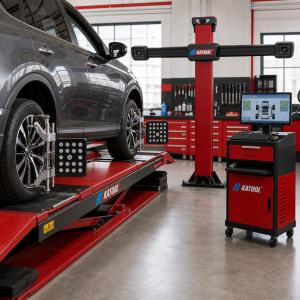
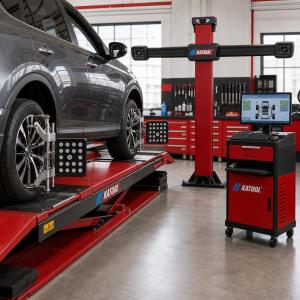
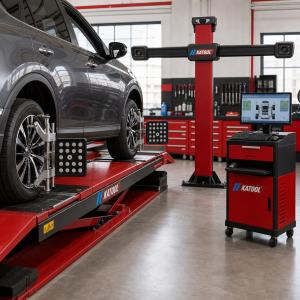
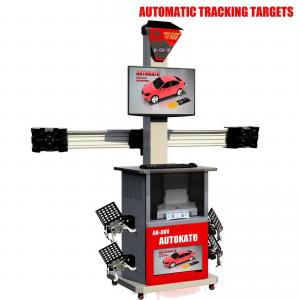
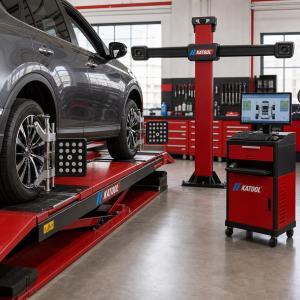
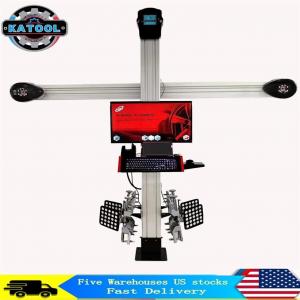
Autokato Engineering supplies KATOOL wheel alignment equipment for service workshops, distributors and professional buyers. If you are looking for practical alignment solutions for daily shop use, our team can help.