Spare Parts Planning for Garage Equipment Distributors
Spare Parts Planning for Garage Equipment Distributors
Reliable after-sales support begins before the first machine is delivered. For a distributor, garage equipment spare parts planning is not simply a matter of keeping a few common components on a shelf. It requires clear model records, practical stock decisions, accurate technical documents and a repeatable process for identifying and ordering parts. A well-organized plan helps service teams respond more efficiently while giving buyers greater confidence in the equipment range.
Distributors building an automotive service equipment portfolio should develop the parts strategy at the same time as the product strategy. Tire changers, wheel balancers and vehicle lifts have different service needs, so one generic parts list is rarely enough.
Separate Parts by Service Function
The first step is to classify components according to how they are used. Routine wear items may need regular inspection or replacement during normal service. Maintenance parts support scheduled upkeep. Electrical, pneumatic and hydraulic components may be required for diagnosis and repair. Large structural components usually have a lower replacement frequency but need exact model confirmation before an order is placed.
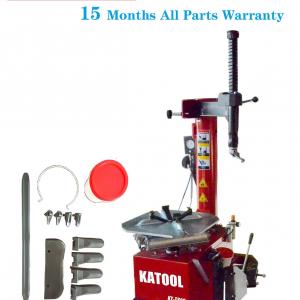
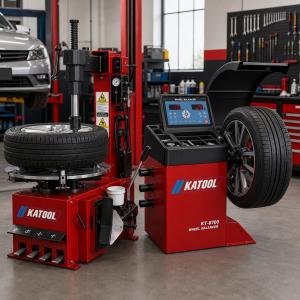
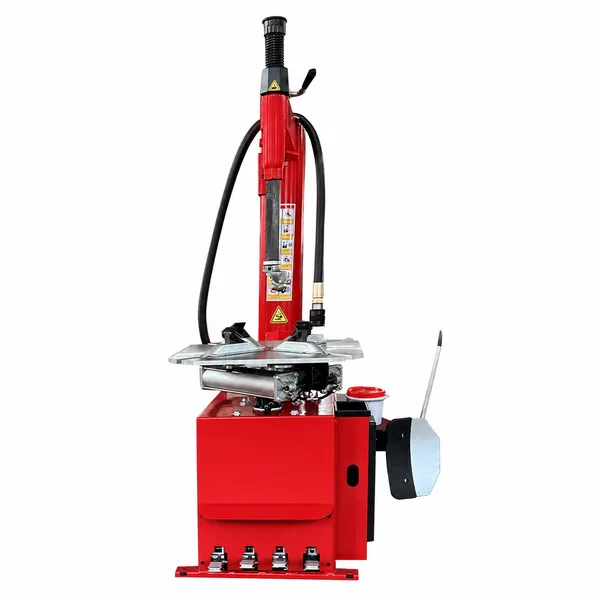
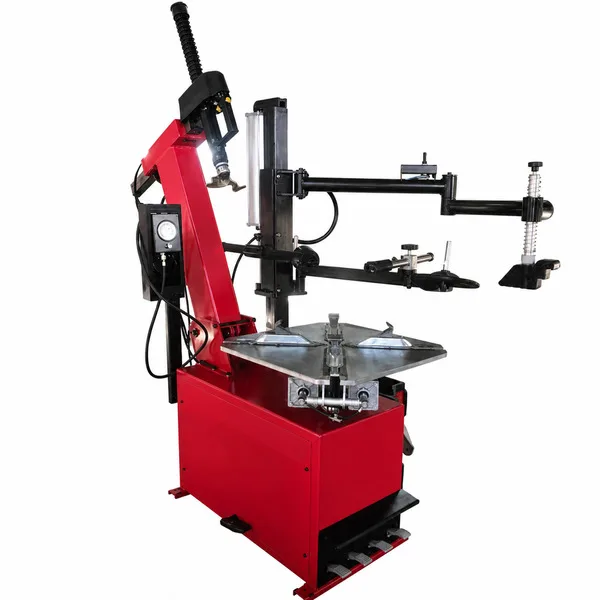
For tire changer machines, a distributor may organize parts around clamping, bead breaking, pneumatic control, turntable drive and assist-arm systems. For wheel balancer equipment, the list may instead include cones, adapters, measuring components, display or control parts and model-specific shafts. The correct categories depend on the machine design, so they should be confirmed from actual technical records rather than copied from another model.
Build a Model and Version Register
A product name alone is not always enough to identify a replacement part. Production updates, electrical configurations, motor specifications and regional requirements can create differences within the same general model family. Distributors should therefore keep a register containing the exact model, serial or batch reference when available, voltage and phase, production version, purchase date and customer location.
This record becomes especially important for automotive lifts, where hydraulic, electrical and safety-related parts must match the equipment configuration. Service staff should never select a critical component only because it looks similar in a photograph. Model records and manufacturer confirmation provide a more dependable basis for the order.
Use Manuals and Exploded Views as Working Documents
Technical documents should support both service diagnosis and parts identification. An operation manual explains safe use and maintenance, while an exploded view or parts diagram can show assemblies, reference numbers and component relationships. Distributors should store these documents by model and revision, then make sure the service team can retrieve the correct version quickly.
Autokato provides a growing garage equipment manuals library for available models. Before using any document, confirm the equipment nameplate and exact configuration. Installation, electrical, hydraulic and safety work should be completed by qualified personnel following the manual and applicable local requirements.
Plan the Initial Stock Around Real Service Risk
An initial spare parts package should be based on the equipment mix, expected installed base, local delivery time and the distributor's service capability. Fast-moving maintenance items and components that could stop normal operation deserve closer attention than bulky parts with low replacement demand. However, stock should not be chosen from assumptions alone. Feedback from technicians, warranty records and actual reorder history should gradually refine the list.
A practical stock sheet can record part number, description, compatible models, minimum quantity, current quantity, storage location, supplier lead time and reorder status. Photographs can help warehouse staff, but they should supplement rather than replace the part number and model reference. When a component is revised, the sheet should also show whether the new version replaces an earlier one.
Keep Warranty Parts and Maintenance Parts Distinct
A replacement supplied under warranty and a part sold for routine maintenance may follow different approval and documentation processes. Keeping them distinct makes it easier to review failure information, identify recurring issues and maintain accurate stock records. A warranty request should include the machine model, identifying reference, installation date, fault description, diagnostic findings and clear photographs or video when relevant.
The objective is not to create unnecessary paperwork. It is to give the technical team enough evidence to identify the correct component and understand the cause of the problem. Replacing a part without checking installation, power, air supply, lubrication or operating conditions may leave the original issue unresolved.
Include Parts Support in OEM and Private Label Planning
Private label projects need additional version control because product appearance, labels, manuals, packaging and selected components may be customized. The parts list must stay connected to the approved product specification. Buyers can use the private label garage equipment OEM checklist to organize product and documentation requirements before an order.
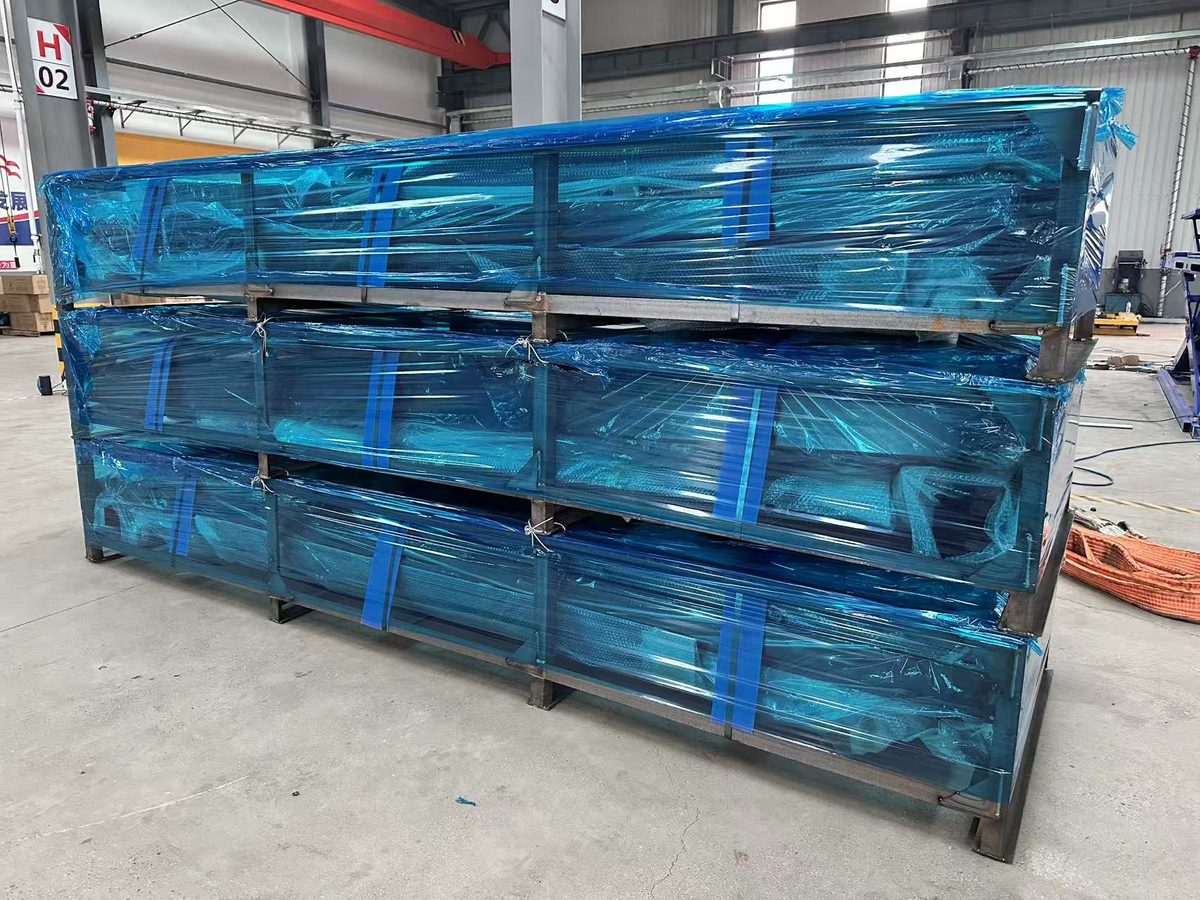
During supplier discussions, confirm which spare parts can be included with the initial shipment, which components are model-specific and what information is needed for future orders. Consolidating planned spare parts with an equipment shipment may be practical, but quantities and packing methods should be agreed before production and loading.
Create a Clear Reorder and Support Workflow
A simple workflow prevents requests from being lost between sales, service, purchasing and the warehouse. The service team identifies the machine and diagnoses the issue. The parts coordinator confirms the reference and stock. Purchasing sends complete model and component information when a supplier order is needed. After receipt, the warehouse checks the label, quantity and visible condition before updating inventory.
Distributors discussing equipment ranges, documentation and spare parts preparation can contact Autokato with the target models, market requirements and expected service approach. Clear information at the quotation stage makes it easier to prepare a useful parts plan rather than a generic package.
Conclusion
Effective garage equipment spare parts planning combines accurate model data, useful technical documents, carefully selected stock and a disciplined support process. Start with the actual equipment range, classify parts by service function, record every relevant version and improve inventory decisions with real service history. This approach helps distributors build more consistent after-sales support without relying on guesswork or excessive stock.