How to Qualify a Garage Equipment OEM Supplier
Choosing a garage equipment OEM supplier is not only a price comparison. For distributors and importers, the first trial order should test whether a potential partner can translate market requirements into a controlled product specification, consistent presentation and usable order records. A disciplined qualification process reduces the risk of receiving equipment that looks correct in a quotation but does not match the target workshop, electrical standard, documentation need or private-label plan.
Autokato supports automotive service equipment sourcing and OEM/ODM coordination for professional buyers. The following checklist explains what to confirm before approving a sample or trial order and what evidence should remain attached to the project record.
1. Start With the Application, Not the Catalog
A useful supplier review begins with the work the equipment must perform. Define the target vehicle range, normal daily workload, expected peak use, available floor space, electrical supply, compressed-air conditions and destination market. A product can be suitable for one workshop and unsuitable for another even when the model name and advertised capacity appear similar.
Ask the supplier to respond to a written application brief. The response should identify the proposed model, relevant limits, required accessories and any information that still needs confirmation. Buyers can review the Autokato garage equipment catalog to organize product families before discussing exact configurations.
2. Freeze a Version-Controlled Specification
Do not allow the quotation, invoice, product page and production instruction to describe different machines. Create one approved specification that records the model, rated capacity, working range, motor or power configuration, controls, included accessories, color, labels, manuals and packing method. Suffixes and optional components should be written explicitly instead of being left to verbal understanding.
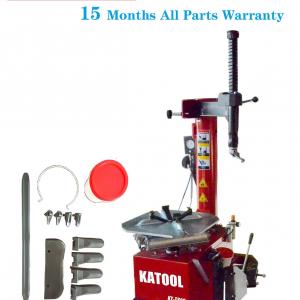
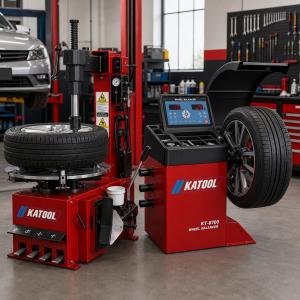
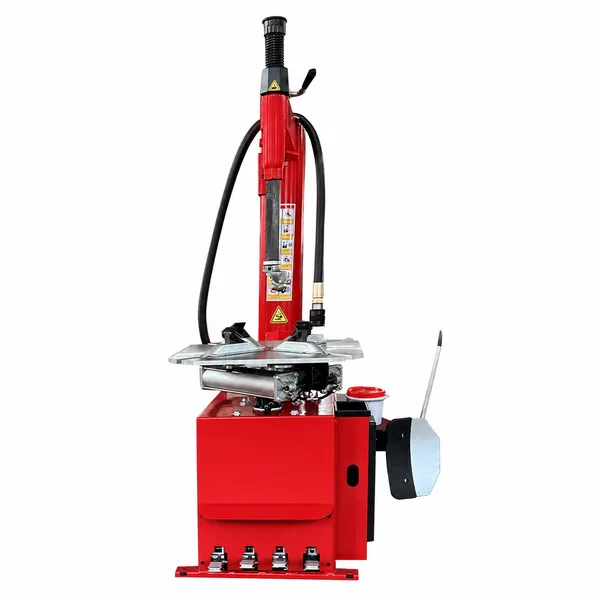
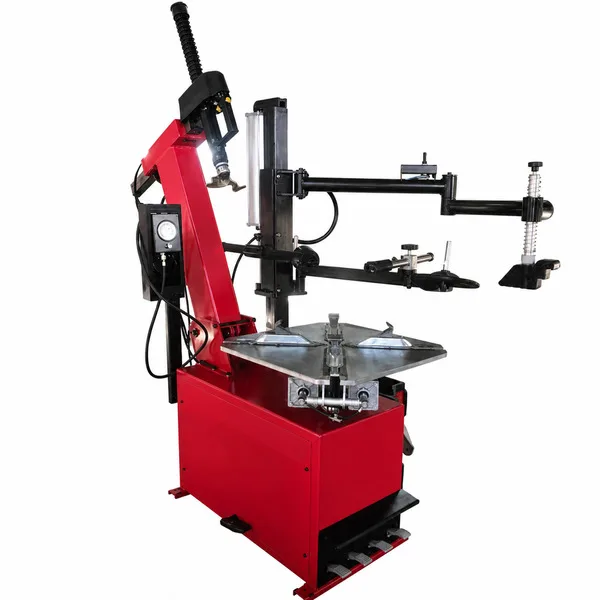
When the trial order includes tire service equipment, compare the intended wheel applications against the available tire changer configurations. The goal is not to choose the largest specification. It is to confirm that the common work can be completed efficiently and that occasional applications have the correct adapters or limitations documented.
3. Review Sample Evidence in the Right Sequence
A sample is most useful when it answers predefined questions. Request clear images of the complete machine, rating plate, control panel, safety labels, accessories, electrical components and packing condition. For functional checks, agree on the actions that should be demonstrated and the acceptance criteria before the sample is reviewed.
Separate appearance approval from technical approval. A cabinet color or logo position can look correct while the voltage label, accessory list or operating range remains wrong. Record every approved change and issue a revised specification when the configuration changes. Screenshots scattered through chat applications should not be the only project record.
4. Match Documents to the Exact Model
General certificates and generic manuals do not automatically apply to every model or market. Confirm the model names, product scope, configuration and revision shown in each available file. Use the certificates and test reports library as a reference, then ask which document is relevant to the selected equipment and destination.
Operating and installation information should also be checked before shipment. The technical manuals library helps buyers locate available files by model. If a required document is not listed, request clarification rather than substituting a file from a similar-looking machine.
5. Confirm Private-Label Ownership and Artwork
Private-label work needs a clear division of responsibility. The buyer or brand owner should provide approved artwork, model naming and market claims. The OEM partner should confirm feasible logo positions, color references, labels, manuals and carton marks for the selected model. All artwork should be reviewed at readable scale, including small safety text and rating-plate data.
Autokato can coordinate branded presentation for KATOOL and other automotive equipment brands. KATOOL owns and markets its brand independently, while official KATOOL information is maintained separately. Buyers can learn more about Autokato's sourcing and project role on the About Autokato page.
6. Evaluate Packaging as Part of the Product
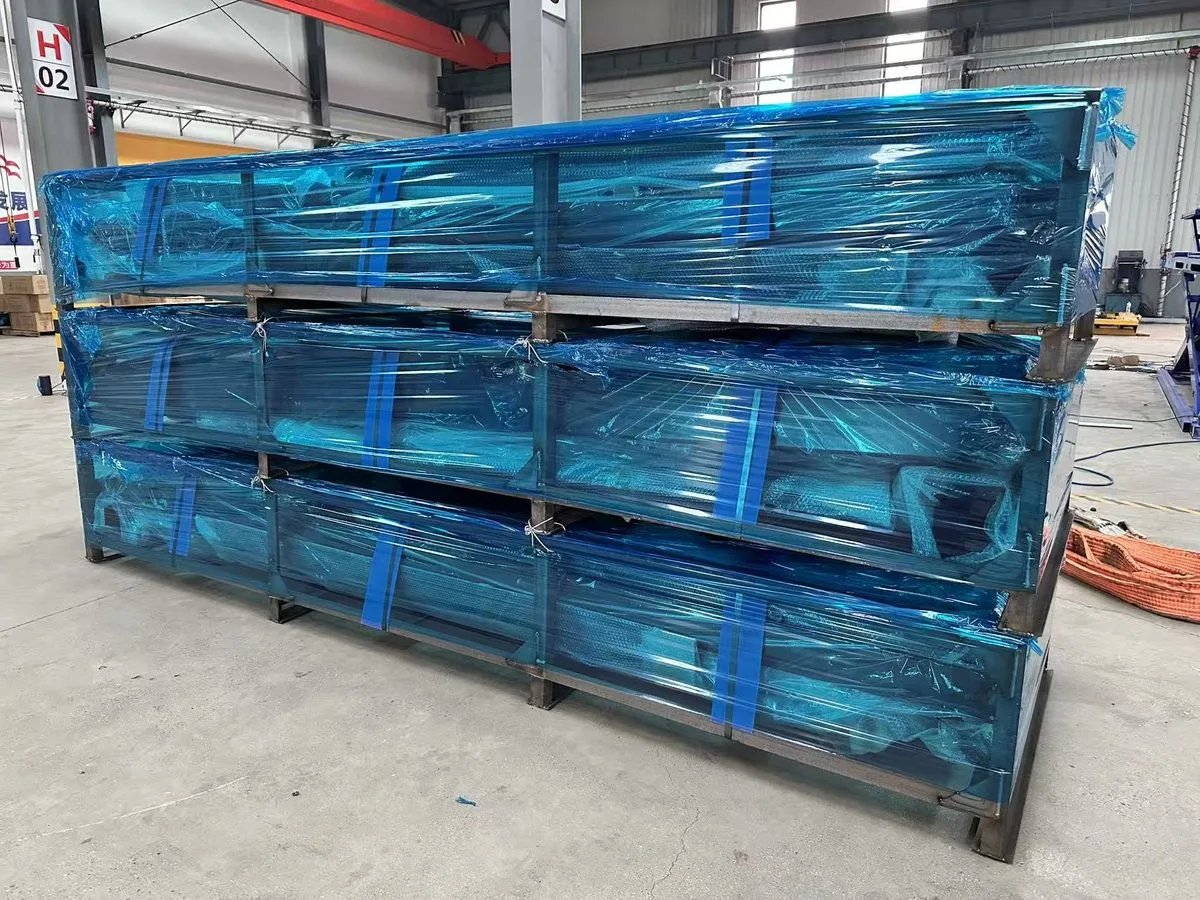
Heavy garage equipment can be damaged by movement, moisture, exposed controls or unsupported accessories during transport. Ask how the base is secured, which components are removed, where loose parts are placed and how each package is identified. Confirm package dimensions, gross weight, lifting points and unloading considerations before the shipping plan is finalized.
For a mixed trial order, the packing list should connect every carton, crate and accessory package to a model and quantity. Photos taken before closing the package can support receiving inspection, but they should complement rather than replace a complete packing record.
7. Use a Written Trial-Order Scorecard
A trial order should produce a decision, not only a shipment. Score the supplier against specification accuracy, response quality, evidence completeness, document matching, branding control, packing consistency and issue resolution. Record what was accepted, what required correction and what must change before a larger order.
Price remains important, but a low unit price can be offset by rework, missing accessories, unclear documentation or inconsistent presentation. A qualified supplier should make important details easier to verify and should distinguish confirmed facts from items still under review.
Questions to Send Before Requesting a Quote
Provide the equipment type, target applications, destination country, power requirements, expected quantity, private-label scope and requested documents. Ask the supplier to identify the proposed model, exclusions, available evidence, sample process and expected packing format. This creates a useful starting point for technical and commercial comparison.
To discuss a trial order, use the Autokato project inquiry and include the information already confirmed. A clear brief allows the next steps to focus on the correct equipment, configuration and documentation.
Conclusion
Qualifying a garage equipment OEM supplier requires more than reviewing a product photo and price. Begin with the application, freeze the specification, review sample evidence, match documents, control private-label artwork and evaluate packaging. A written trial-order scorecard then gives distributors a practical basis for deciding whether the supplier and configuration are ready for a larger program.