OEM Garage Equipment Packaging: Artwork & Export Checklist
Packaging is part of a private-label garage equipment order, not a detail to settle after production. A tire changer, wheel balancer or vehicle lift can arrive mechanically correct yet create costly distributor work if the carton identifies the wrong model, omits a component or shows artwork that the buyer never approved. For importers, the useful starting point is a written packaging specification tied to the exact product configuration and destination market.
This guide separates artwork approval from physical protection and final inspection. It does not prescribe one universal carton, pallet or test method. The right solution depends on the equipment's dimensions, weight, disassembly, transport route and buyer requirements. Autokato can coordinate OEM/ODM project requirements for professional equipment buyers; the agreed specification should always be checked against the actual order before release.
1. Freeze the Product Configuration Before Artwork
Begin with a model-level bill of materials and the commercial description that will appear on the order. Record the machine, voltage and plug option, included accessories, optional kits, manuals and destination. A label that says “110 V” while the packed motor is configured for another supply is more than a branding error. Equally, a carton printed for an accessory bundle must not be reused for the base machine without checking what is inside.
Use one controlled item code for each combination that changes the package or label. Ask the supplier to show which parts ship fitted, which ship loose and which require their own cartons. For a multi-model order, compare the Autokato equipment range by actual model rather than relying on a family name. This prevents a generic artwork file from hiding differences in dimensions or supplied components.
2. Approve the Printed Information as a Separate Deliverable
Keep an approval file for every printed surface: outer carton, product nameplate or label, accessory label and manual cover where applicable. The file should identify the model code, buyer brand, revision number, language, barcode or stock code if required, country-of-origin wording and any mandatory marks that have been verified for that market. Do not add certification symbols just because a similar model carries them; obtain the exact supporting documents first.
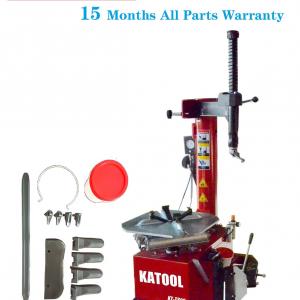
Make the buyer's approval visual and specific. A PDF proof should show final dimensions, color references where important, placement on each package face and readable minimum type size. Record who approved the proof and when. If any text changes after approval, issue a new revision rather than sending an informal message that can be separated from the production file. Retail-ready presentation matters, but it must describe the packed product accurately. For an example of customer-facing equipment merchandising, the independent KATOOL Mart equipment storefront illustrates a different, retail-oriented context; its listings should not be treated as Autokato's packaging specification.
3. Design Protection Around Real Handling Risks
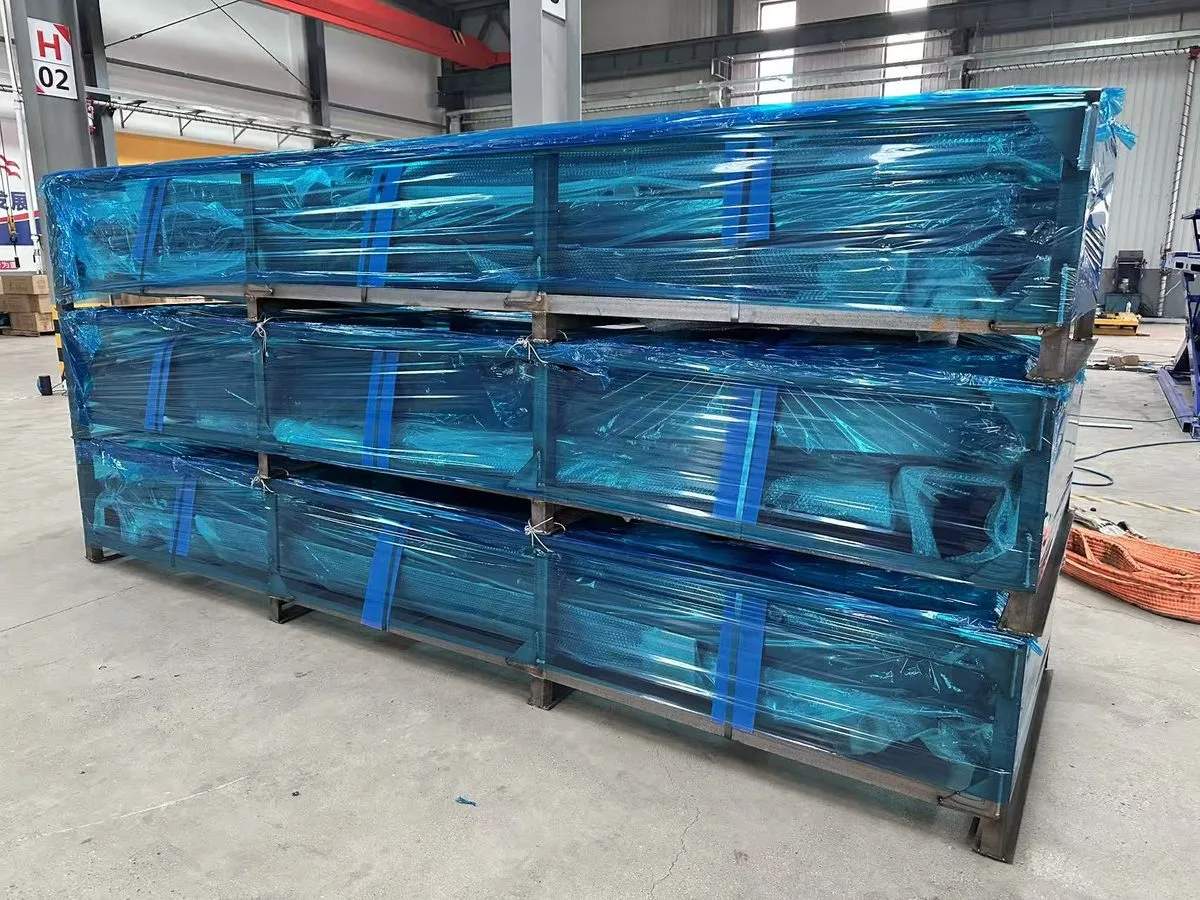
Artwork does not protect a machine. For heavy garage equipment, ask how the load is supported, restrained and lifted during each transfer. Identify exposed edges, control panels, hydraulic fittings, shafts and painted surfaces that could be damaged by movement or contact. A wrapped frame may look secure in a photo, but the buyer still needs to know where the weight bears and how separate components are prevented from shifting.
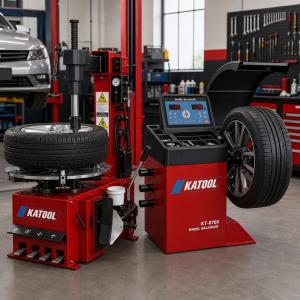
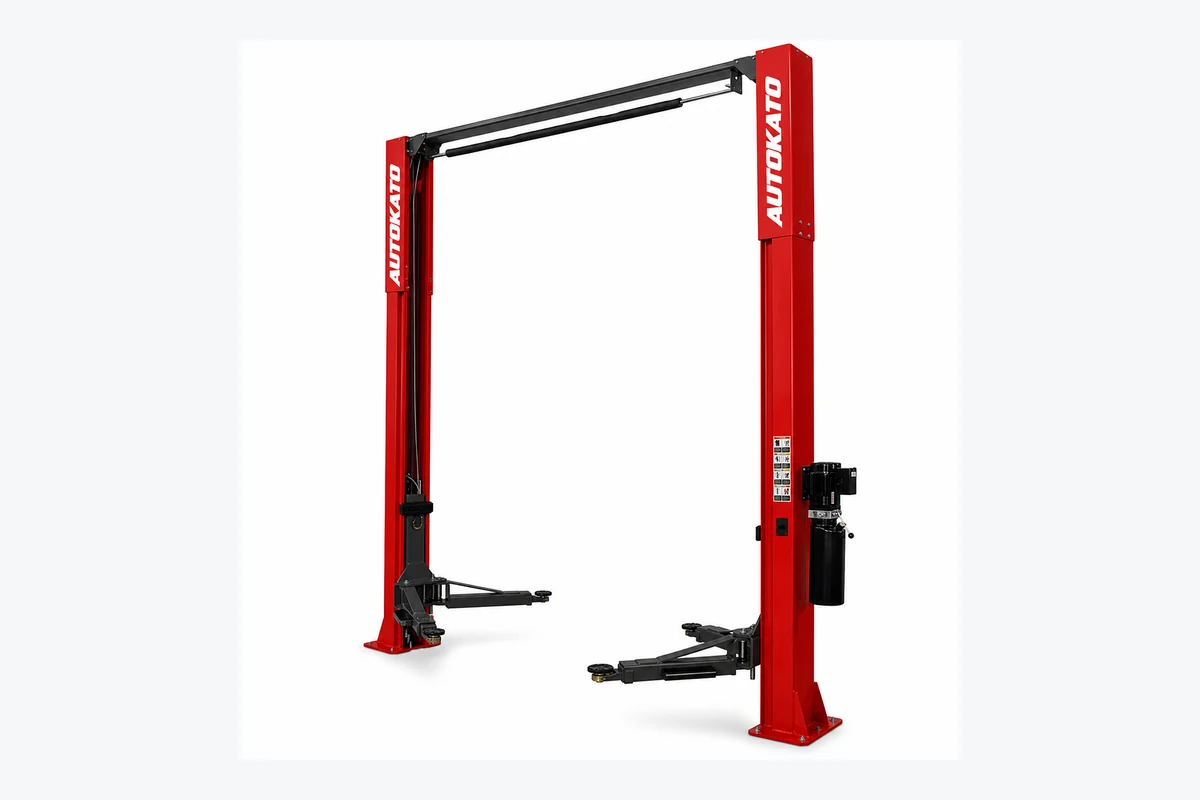
For vehicle lifts, confirm how long structural members, posts, power units and small hardware are grouped and identified. For tire changers, consider vulnerable operating parts and any loose clamps or accessories. For wheel balancers, clarify protection for the shaft, display and adapters. These are review prompts, not claims that every model is packed the same way. The final pack-out must follow the approved design for the specific item.
4. Match Labels, Documents and the Actual Pack-Out
Before closing a package, compare its physical contents with the approved packing list and the labels on both the product and outer unit. Check model and electrical variant, accessory quantities, hardware bags and the correct manual version. When several similar models share a loading area, a second identifier on the parts or inner packs reduces the risk of mixing items.
Photographic evidence is most useful when it shows the model label, the parts before closure, protection at critical points and the completed package. A close-up of a logo alone does not prove that the right machine or accessories are inside. Agree in advance which views the buyer needs and how files will be named against the order. Keep this inspection distinct from the container loading plan: packing verifies each sellable unit, while loading controls the arrangement and restraint of units in the shipment.
5. Use a Simple Packaging Approval Gate
A practical release gate can fit on one sheet. List the approved artwork revision, model and electrical variant, package dimensions and weight, protection method, included accessory list, manual language, label examples, inspection photos and any exceptions. Name the person responsible for each sign-off. If the buyer requests a change after the gate closes, record whether it affects printing, purchased packaging material, labeling or the packed contents before agreeing a new release date.
For a first OEM order, review an actual sample package or documented pack-out before authorizing the full run. Compare the sample against the approved proof, not against memory or a previous model. Retain the approved files with the order so later replenishment can use the same reference or an explicitly revised version. This is especially useful when a distributor offers several closely related machines under one brand.
Questions to Resolve Before Ordering
Can one carton design cover several models?
Only if the model, electrical and accessory distinctions remain unambiguous and the physical protection fits each configuration. Otherwise use separate artwork or a controlled variable label.
What should an importer request as packaging evidence?
Ask for the final approved artwork files, a model-specific packing list, photos of the open and closed pack-out, label close-ups and a record of any deviations. The exact evidence set should be agreed before production.
When should the artwork be approved?
After the product configuration and market requirements are confirmed, but before printed materials are released for the order. Late changes should trigger a documented revision and an impact check.
To discuss model-specific OEM presentation, packaging or an upcoming distributor order, contact Autokato with your target market and product list.