Pre-Shipment Documentation Checklist for Private Label Garage Equipment

Before a private-label equipment order leaves the supplier, the buyer should have more than a commercial invoice and a packing list. A complete pre-shipment documentation package helps distributors confirm that the equipment, labels, manuals and order details match the agreed configuration. It also gives the sales, warehouse and service teams a practical reference after the shipment arrives.
This guide explains the documents and checks that are useful when importing automotive service equipment for a distributor program, workshop network or private-label project. The exact document set depends on the product, destination market and order agreement, but a structured review helps prevent avoidable questions later.
1. Confirm the Exact Equipment Configuration
Start with a model-by-model order record. The record should identify the product name, model number, quantity and the configuration that was approved for the order. For electrically powered equipment, the buyer should also confirm voltage, frequency, plug requirements and any agreed market-specific labeling before packing begins.
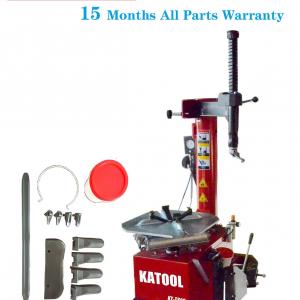
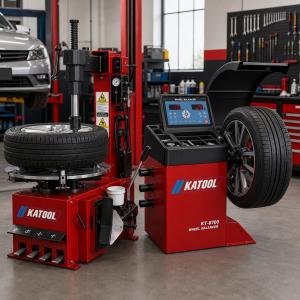
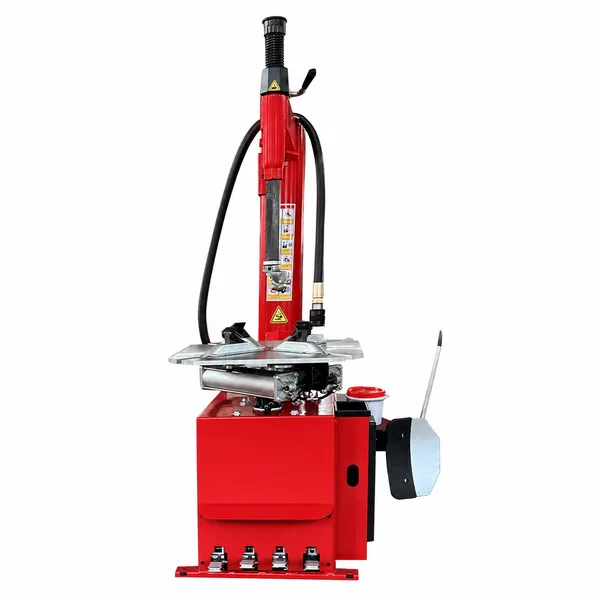
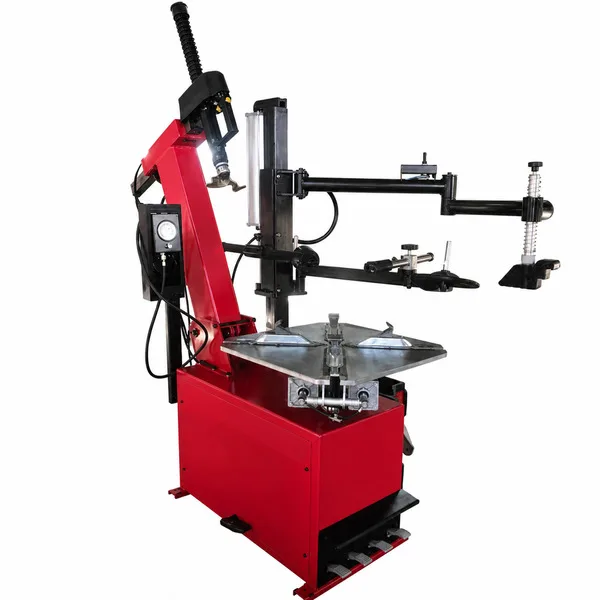
This step matters because similar machines can have different motors, lifting capacities, adapters, accessories or electrical specifications. A buyer sourcing tire changers may need different rim coverage or assist-arm options than another distributor. A buyer planning wheel balancers may need a specific cone, truck adapter or balancing mode. The order file should make these choices clear enough for purchasing, sales and after-sales teams to use the same reference.
2. Review Packing Information Before Dispatch
A packing list is most useful when it does more than state a total number of cartons. It should show the model, package count, net and gross weight where available, and carton or crate dimensions needed for freight planning. For mixed equipment orders, the buyer should be able to identify which package belongs to which model without opening every carton.
Ask for a clear description of how loose accessories, hydraulic parts, tool kits and small cartons are packed. This helps the receiving team check delivery completeness and prevents small but necessary parts from being separated from the main machine. For larger equipment such as vehicle lifts, the shipping file should help the buyer understand the number of packages and the handling sequence before the container or truck arrives.
3. Match Manuals to the Actual Models
Installation, operation and maintenance manuals should be reviewed against the exact equipment model, not treated as generic marketing attachments. The document should use the correct model name and should cover the configuration supplied. If an order includes several models, create a document checklist that identifies the manual assigned to each one.
A distributor can use the technical manuals library as a starting point, then confirm the final document set for the specific order. This is especially important when the buyer is preparing translated materials, dealer training or installation support. Manuals should not be assumed to cover optional components unless those components are specifically shown or stated in the document.
4. Check Branding and Carton Marking
For a private-label project, branding is part of the delivered product specification. Before shipment, buyers should confirm the agreed product nameplate, logo placement, carton artwork, warning labels and any requested neutral packaging. A simple approval record with photos can make it easier to compare the final packed equipment with the agreed presentation.
The goal is not cosmetic perfection in a photo. The goal is traceability: the distributor should be able to see that the machine identity, carton marks and important safety or handling labels match the agreed order. This is useful for warehouse receiving, dealer identification and later service communication.
5. Keep a Practical Pre-Shipment Evidence File
A useful evidence file can include equipment photos, packed-product photos, model and serial-number records when applicable, and documents that were agreed for the order. The file should be organized by model rather than sent as an unlabelled group of images. Buyers do not need an excessive report for every order, but they do need enough information to identify what was supplied and to support a clear receiving inspection.
For distributors building a long-term program, this file becomes part of a repeatable process. It helps compare future orders, maintain model records and prepare more consistent information for dealers. It can also help when a workshop asks which accessories were included with a specific machine.
6. Align the Commercial and Service Handover
Before the shipment is released, the purchasing team, warehouse team and after-sales contact should be working from the same final information. Confirm the commercial invoice, packing list, final product list, manuals and contact route for any technical follow-up. This is a modest step, but it reduces the risk that the goods arrive before the right documents reach the people who need them.
An experienced distributor also plans what happens after arrival: receiving inspection, inventory entry, dealer product information and spare-parts records. The preparation is different for every market, but a clear handover helps equipment move from the receiving area to a sellable and supportable product line.
Conclusion
A private-label garage equipment order is easier to manage when the equipment and the documentation are reviewed together. Confirm the final configuration, packing details, manuals, branding and evidence file before dispatch, then keep the information available for receiving and after-sales work. For a model-specific order discussion, use the Autokato project inquiry page to share the equipment category, destination market and documentation requirements.