Single Phase vs Three Phase Power for Garage Equipment
Single Phase vs Three Phase Power for Garage Equipment
Choosing between single phase and three phase power is an important step when planning an automotive workshop. Tire changers, wheel balancers, vehicle lifts, air compressors and wheel alignment systems may all have different electrical requirements. A machine that does not match the available power supply can delay installation, increase conversion costs or create unreliable operation. Buyers should therefore confirm voltage, frequency, phase and motor rating before approving an equipment order.
This guide explains the practical differences between single phase and three phase garage equipment, the information buyers should collect from their workshop, and the questions distributors should confirm with an equipment supplier before shipment.
What Single Phase Power Means for a Workshop
Single phase power is common in smaller commercial buildings, light-duty workshops and locations where electrical demand is limited. It can be suitable for many compact or moderate-load machines when the equipment is designed for the available voltage and frequency. The main advantage is accessibility: a small repair shop may already have a compatible supply without needing a major electrical upgrade.
However, buyers should not assume that every single phase machine can be connected to any wall outlet. Plug type, circuit capacity, cable size, breaker rating and local electrical rules still matter. Some equipment also needs a dedicated circuit to avoid voltage drop when a motor starts. An electrician should review the nameplate information and installation manual before connection.
When Three Phase Power Is the Better Choice
Three phase power is widely used in industrial facilities and larger service centers with several machines operating at the same time. It is often selected for higher-load motors and workshop layouts where stable power distribution is important. For a distributor supplying a large garage, fleet maintenance center or dealership, three phase equipment may fit the customer's existing electrical infrastructure more naturally.
The decision should still be based on the exact machine rather than a general assumption. Motor output, duty cycle, hydraulic power unit, compressor demand and optional accessories can affect the required supply. Buyers should request a clear electrical specification sheet for every model included in a project.
Power Planning for Tire Changers and Wheel Balancers
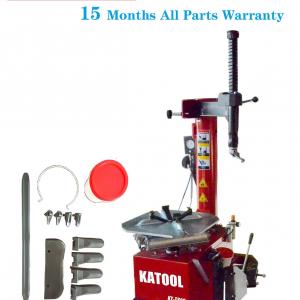
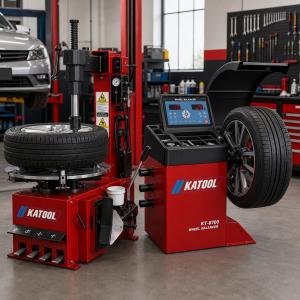
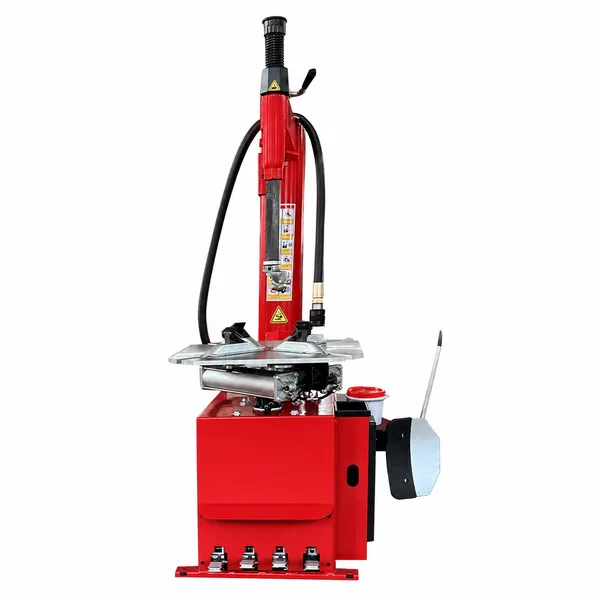
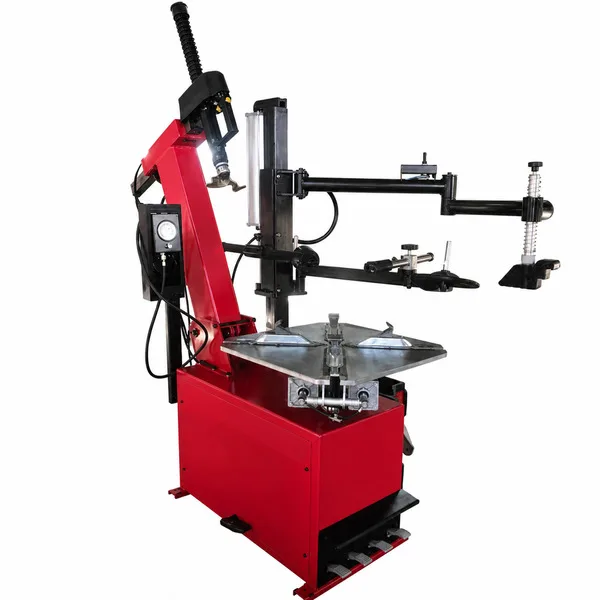
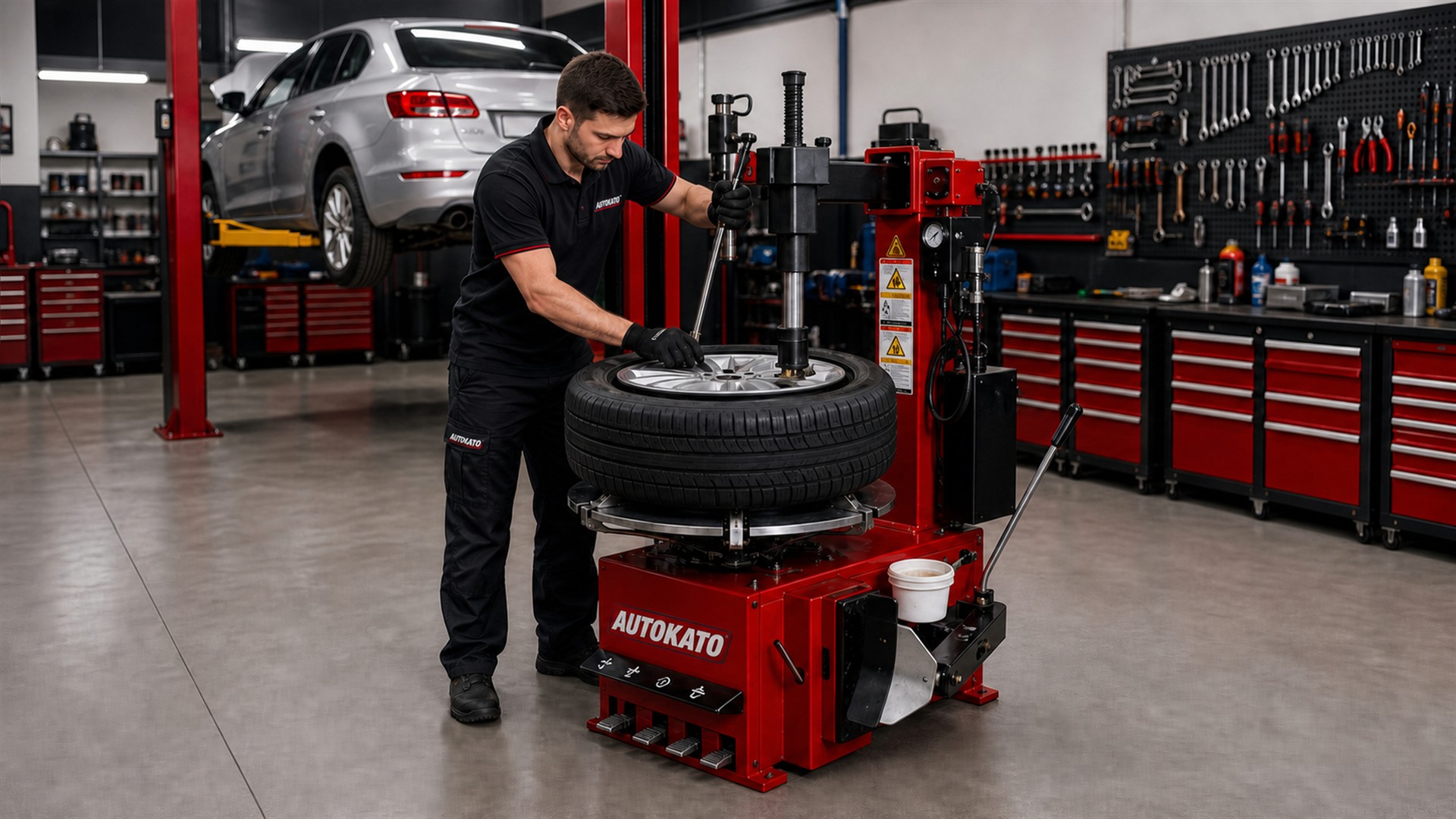
A tire service bay usually combines a tire changer, wheel balancer and compressed-air system. The electrical load of the machines is only one part of the plan because the tire changer may also depend on stable air pressure. Buyers comparing professional tire changer machines should confirm motor voltage, phase, frequency and air requirements together.
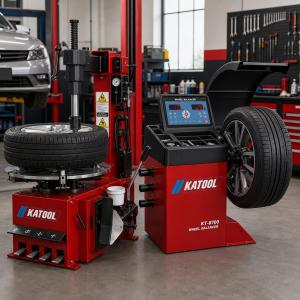
A wheel balancer for tire shops may have a lower motor load than some larger workshop equipment, but accurate operation still depends on a correct and stable supply. The outlet should also be positioned so that cables do not cross the technician's working path. Equipment layout, grounding and surge protection should be considered before the machines arrive.
Electrical Requirements for Car Lifts
Vehicle lifts commonly use an electric motor to drive a hydraulic power unit. The required supply can vary by lift type, capacity, motor and regional configuration. When planning two post, four post and scissor car lifts, buyers should confirm the electrical specification at the same time as ceiling height, concrete condition, bay dimensions and vehicle capacity.
The isolator, breaker and cable route should be planned before installation. Electrical work should be completed by qualified personnel, and the lift should not be operated until installation and safety checks are complete. A voltage converter should not be treated as an automatic solution unless the equipment supplier and a local electrician have confirmed that the complete system is compatible.
Wheel Alignment Machine and Computer Power
A wheel alignment bay may include cameras or sensors, a computer cabinet, display, printer and an alignment lift. These components do not necessarily use the same circuit or power specification. Buyers reviewing wheel alignment machines for workshops should separate the requirements of the measurement system from those of the lift or turntable accessories.
Clean cable routing and reliable grounding help protect electronic components and keep the work area organized. The computer and measurement system may also benefit from suitable surge protection or an uninterruptible power supply, depending on local power quality and the supplier's recommendations.
Information to Confirm Before Ordering
Before requesting a quotation, the buyer should record the available voltage, frequency and phase at the installation site. It is also useful to confirm the main breaker capacity, distance from the distribution panel, outlet or isolator location, and whether several machines will operate simultaneously. Photographs of the electrical panel and proposed equipment bay can help technical teams identify questions early, but final electrical decisions should remain with qualified local professionals.
The supplier should confirm the motor nameplate, rated input, recommended protection, cable requirements and available regional configurations. If several product models are included in one order, each model should be checked separately. Buyers can also review the Autokato equipment manuals and technical documents when available, while ensuring that the manual matches the exact model and production configuration.
A Practical OEM and Distributor Checklist
For private-label and distributor orders, electrical configuration should appear on the approved specification sheet, product label, manual and packing list. Plug style and cable length should be confirmed before production rather than changed after delivery. Distributors should also decide whether one regional configuration or several market-specific versions are needed.
Autokato supports automotive equipment buyers with model selection, configuration review and OEM or private-label coordination. Providing complete site information before production helps reduce installation questions and allows the correct electrical version to be confirmed with the order.
Conclusion
There is no universal answer to single phase versus three phase garage equipment. The correct choice depends on the machine, motor, workshop supply and expected workload. Confirm the site power first, compare it with the exact equipment nameplate and technical documents, and involve a qualified electrician before installation. Careful planning at the purchasing stage helps create a safer, more reliable and more efficient automotive service bay.