Tire Changer Turntable Clamp Maintenance Checklist
Tire Changer Turntable Clamp Maintenance Checklist
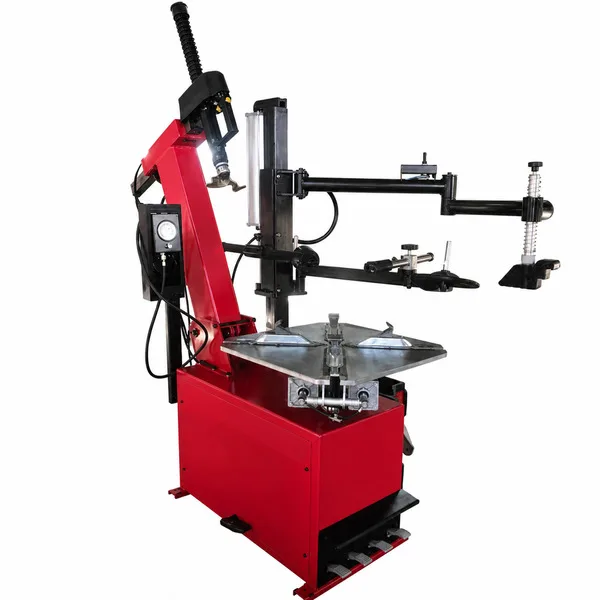
The turntable and clamp system are at the center of every wheel-clamp tire changer. When the jaws hold the wheel securely and move evenly, technicians can work with better control and fewer interruptions. When the system is dirty, dry, misaligned or slow to respond, it can create avoidable risks for wheels, tires and workflow. This maintenance checklist helps tire shops establish a practical routine for a professional tire changer without treating routine care as an afterthought.
Begin Every Check with Safe Isolation
Before inspecting the turntable, release stored air and follow the shutdown procedure for the exact machine. Keep hands, tools and loose clothing clear of the clamp jaws and pedals while the machine is connected to compressed air. The goal of a maintenance inspection is to identify wear before it becomes a service issue, not to make adjustments while moving parts are energized.
Technicians should also confirm the model-specific instructions, service intervals and approved lubricants. The Autokato manuals library provides a useful reference point for available operation and maintenance documents. Check the machine nameplate and actual configuration before relying on any manual because adapters and accessory kits can change the working arrangement.
Remove Debris from the Turntable and Jaws
Rubber dust, tire lubricant residue, wheel-weight fragments and small metal particles can collect around the clamp slots, jaw guides and table surface. Over time, this buildup can interfere with smooth jaw travel or prevent a wheel from seating consistently. At the beginning or end of a busy shift, clean visible debris from the working surface and inspect the jaw faces for damage.
Do not use aggressive tools that can damage clamp surfaces, protective inserts or paint. If jaw protectors are worn, missing or hardened, replace them according to the machine specification. Protectors are small components, but they are important when servicing finished alloy wheels. A clean, intact gripping surface supports predictable clamping without adding unnecessary marks to the rim.
Check Clamp Travel and Equal Movement
With the machine in the correct safe condition for functional testing, observe how the jaws open and close. They should move smoothly and in a coordinated pattern. Uneven travel, hesitation, unusual noise or a jaw that does not reach the expected position may point to contamination, insufficient lubrication, a linkage problem or an air-control issue.
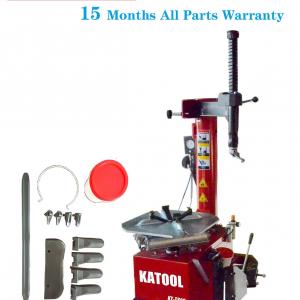
Do not compensate for inconsistent movement by applying extra force to the wheel or by bypassing normal operating steps. First inspect the guides, pivots and visible fasteners, then review the pneumatic supply and pedal response. For a reference design, the Autokato KT-T810 wheel-clamp tire changer can be reviewed alongside its model information before planning training or service procedures.
Use the Correct Lubrication Routine
Lubrication reduces friction at approved moving points, but more lubricant is not always better. Use only the type and amount specified for the equipment. Excess product can attract dust and make cleaning harder, while an unsuitable lubricant can affect seals, plastic parts or finished surfaces. Record the date of lubrication so different technicians do not repeat or miss the same task.
Pay attention to the difference between machine lubrication and tire-mounting lubricant. The turntable mechanism needs maintenance material where specified; the tire and rim need a suitable mounting compound during service. Keeping those tasks separate helps the team avoid contaminating clamp components with unnecessary products.
Inspect Air Supply and Pedal Response
Clamp performance depends on stable, clean compressed air. Check the air filter, regulator, hoses and fittings as part of the same routine. A slow or weak clamp system may be caused by low pressure under load, moisture in the air line, a restricted fitting or a pedal valve that does not fully actuate. Compare clamp movement with other pneumatic functions rather than assuming a problem is limited to the turntable.
If more than one function is slow, investigate the shared air supply before replacing a clamp component. If the turntable is the only affected area, the fault may be closer to its valve, lines or linkage. Any persistent air leak, uncontrolled movement or uncertainty about a pneumatic repair should be handled by qualified personnel following the machine instructions.
Confirm Wheel Positioning Before Calling It a Fault
A wheel that is not centered or clamped using the correct inside or outside method can make normal jaw movement look inaccurate. Train operators to match the clamping approach to the rim type, wheel size and tire condition. Some wheels need additional protection or a different process, particularly when the tire has a stiff sidewall or the rim has a sensitive finish.
Shops that service a wider range of wheels can compare equipment features and support tools when reviewing their tire-service workflow. The Autokato KT-T850 tire changer is another model to consider when planning a wheel-service bay around expected rim sizes and daily service volume.
Connect Maintenance with Final Wheel Quality
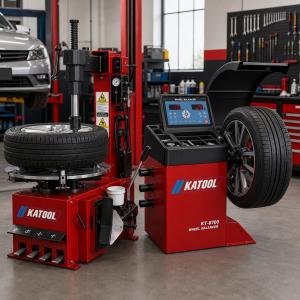
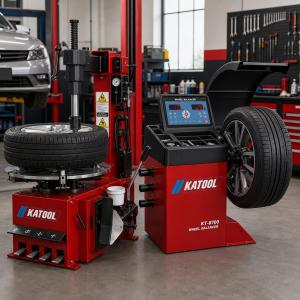
Turntable care is part of a larger wheel-service process. A tire that is mounted with controlled clamping and correct mounting lubricant is ready for the next inspection stage, including balancing. Pairing the tire changer with appropriate wheel balancing equipment helps the shop maintain a consistent path from tire removal to final quality checks.
A simple maintenance record is useful for managers and technicians. Log cleaning, lubrication, replacement of jaw protectors, visible damage, air-supply concerns and repairs. The record can reveal repeated symptoms and helps a service team schedule preventive attention before a machine causes downtime.
When to Request Technical Support
Stop using the clamp function and arrange qualified service when there is damaged hardware, uncontrolled jaw travel, a persistent air leak, severe uneven movement or a wheel-holding concern. For a model-specific equipment or service discussion, use the Autokato project inquiry page to share the machine type, application and maintenance observations.
Conclusion
Routine tire changer turntable clamp maintenance is straightforward when it is built into the shop schedule: clean the table, inspect protectors and fasteners, observe jaw travel, use approved lubrication and verify air response. These small checks support safer clamping, better wheel protection and more reliable daily tire service.