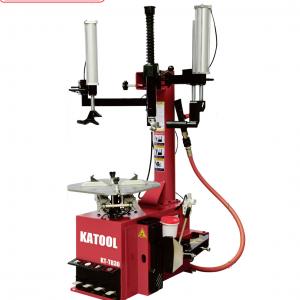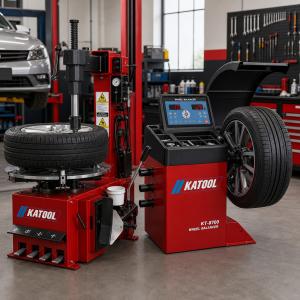
Tire Changer for Low Profile and Run Flat Tires
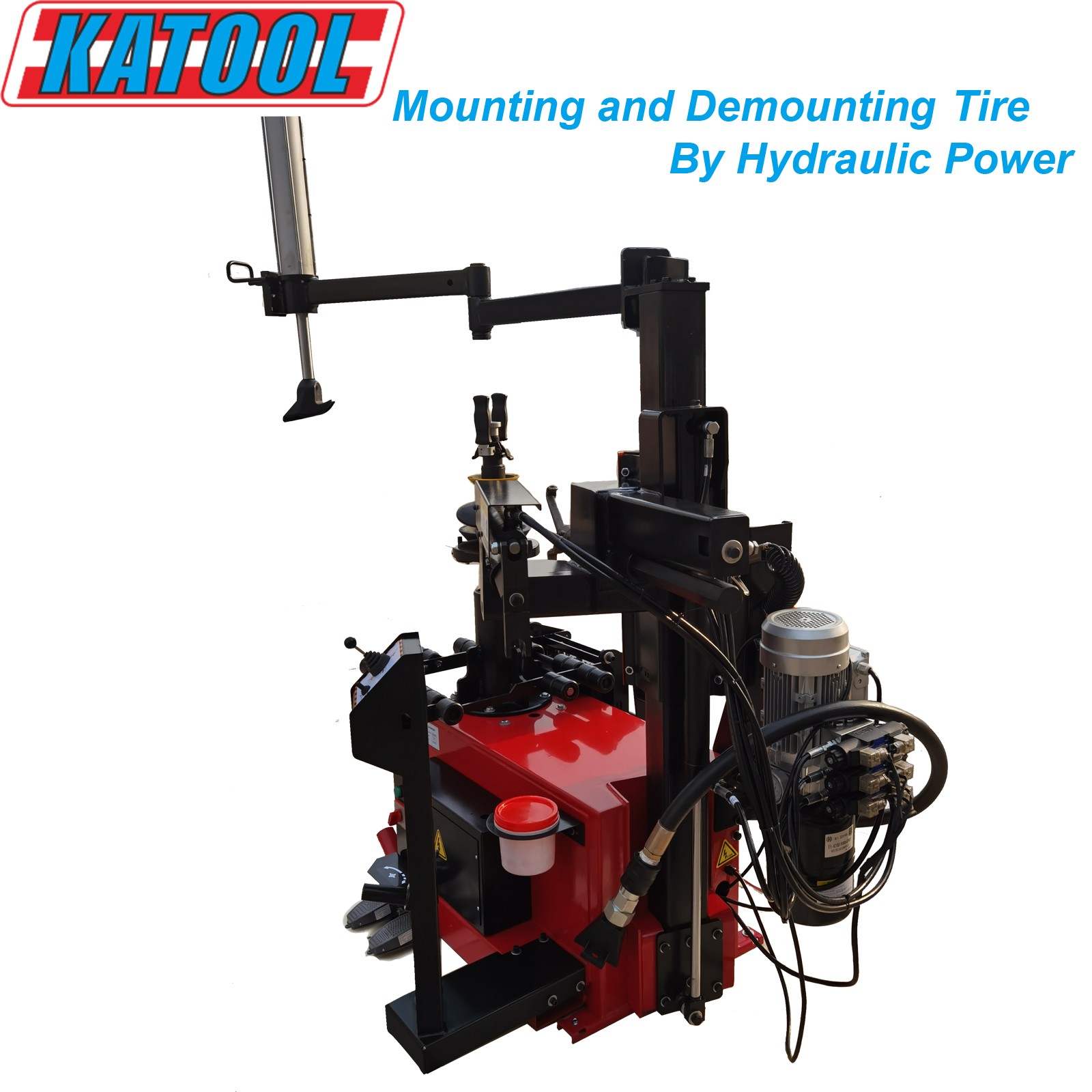
Tire Changer for Low Profile and Run Flat Tires
Choosing a tire changer for low profile tires requires more than checking the maximum rim diameter. Low sidewalls, stiff beads and run flat constructions can be harder to control during mounting and demounting. A suitable machine should combine correct wheel capacity, controlled assist tools, rim protection and a workshop setup that supports careful operation.
This guide helps tire shops and equipment distributors compare the main features. It does not replace tire-manufacturer instructions, vehicle procedures or technician training. Some wheel and tire assemblies require specific methods, tools or service restrictions.
Why Low Profile and Run Flat Tires Are More Demanding
A low profile tire has a shorter, less flexible sidewall than a conventional passenger tire of similar diameter. Run flat designs may also use reinforced sidewalls or other structures intended to support limited operation after pressure loss. These characteristics can make the bead harder to move into the rim drop center and increase the importance of controlling bead position.
Excessive or poorly directed force can damage a tire, scratch a wheel or place the technician in an unsafe position. The goal is not simply a stronger machine. Shops need controlled tools and repeatable procedures that reduce improvised leverage.
Choose an Assist Arm Configuration That Matches the Work
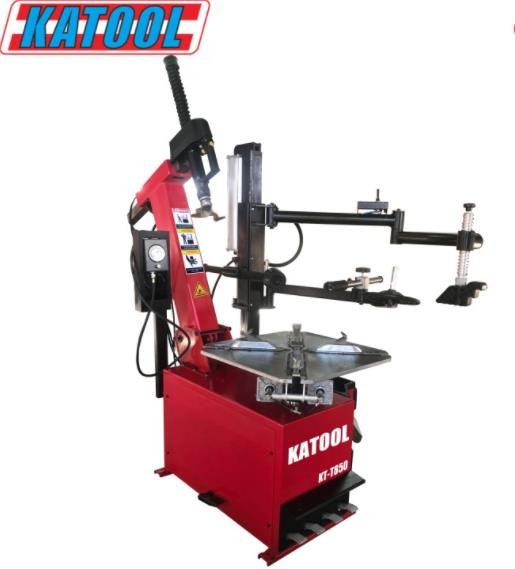
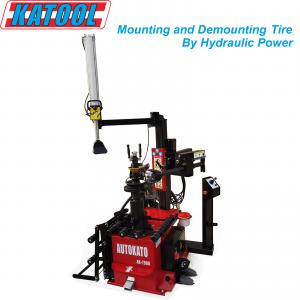
An assist arm can help press and guide the tire bead while the turntable rotates. Depending on the machine, assist tools may include a pressing roller, bead-holding device or controlled support arm. These components help keep the bead in the drop center and reduce the amount of manual force needed during difficult tire service.
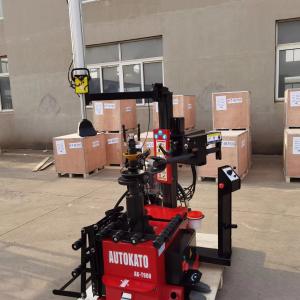
The Autokato KT-T900 hydraulic assist tire changer is a useful reference for workshops comparing a higher-capacity configuration for low profile and performance tire applications. Buyers should confirm the exact included tools and operating range for the ordered version.
Check External and Internal Clamping Range
Rim capacity should be checked using the clamping method the shop expects to use. External and internal clamping ranges are not interchangeable, and the maximum advertised number may not represent every wheel shape. Compare common customer wheels, not only the largest wheel seen occasionally.
Also review wheel diameter, width, maximum tire diameter and maximum wheel weight. A machine that technically accepts the rim diameter may still be a poor match if the tire width, assembly weight or wheel profile exceeds the intended service range.
Protect Alloy and Finished Wheels
Low profile tires are often installed on alloy or specially finished wheels. Protective jaw covers, mounting-head inserts and suitable tire levers can help reduce metal-to-metal contact. These parts are wear items and should be inspected regularly. A damaged protective insert can create a sharp contact point even when it is still attached to the machine.
The clamping method should hold the wheel securely without applying unnecessary force to a sensitive surface. Clean the contact areas before mounting and follow the wheel and tire guidance when a particular clamping or lifting method is required.
Compare Mounting Head and Bead Breaker Control
The mounting head should provide consistent positioning and appropriate clearance from the rim. The bead breaker should allow the technician to control where force is applied. Before bead breaking, verify the tire is fully deflated and confirm the location of sensors or valve components that could be damaged.
A controlled workflow is more important than speed. Technicians should stop if the bead does not move as expected, reassess lubrication and positioning, and avoid continuing with increasing force.
Confirm Air Supply and Electrical Requirements
Assist arms, clamps and bead breakers depend on stable compressed air. Check pressure and flow requirements at the machine while functions are operating. Undersized hoses, restrictive fittings or poor moisture control can make pneumatic movement inconsistent. Review the tire changer air supply requirements for workshops when planning the bay.
Confirm voltage, phase, frequency and plug requirements for the destination market. Distributors should specify these details before production rather than treating electrical configuration as a packaging decision.
Plan Training, Lubrication and Daily Inspection
Even a well-equipped run flat tire changer depends on correct operation. Technicians should understand drop-center positioning, approved lubrication, assist-tool control, clamping procedures and the limits of the machine. Keep model-specific instructions available through the Autokato tire changer manuals library.
Before each shift, inspect jaw covers, mounting-head protection, hoses, pedal response and assist-tool movement. Clean the turntable and remove debris that could mark a wheel. Replace damaged protection components before servicing customer equipment.
Questions for a Tire Changer Supplier
Provide the common rim diameters, tire widths, tire types, expected daily volume and target market. Ask which assist tools are included, which are optional, what protective components are supplied and which spare parts should be stocked. Confirm packaging, manuals, electrical configuration, air requirements and OEM branding before ordering.
Shops planning a complete bay can compare the tire changer machine buying guide for auto repair shops and the tire changer and wheel balancer workstation layout guide.
Frequently Asked Questions
Does every run flat tire require a special tire changer?
Requirements vary by tire, wheel and vehicle guidance. A machine with controlled assist tools, suitable capacity and rim-protection components can make difficult assemblies easier to handle, but technicians must still follow the tire and vehicle procedures.
Why is an assist arm useful for low profile tires?
An assist arm can help hold the bead in the drop center and control bead position during mounting or demounting. This reduces the need for uncontrolled manual force when used by a trained operator.
What should a shop check before buying a run flat tire changer?
Confirm the actual wheel range, tire types, assist-tool functions, clamping method, rim protection, air supply, electrical configuration, available workspace and access to model-specific training and manuals.
Conclusion
The right tire changer for low profile and run flat tires combines suitable capacity with controlled assist tools, rim protection and technician training. Autokato Engineering provides tire service equipment and OEM/ODM support for distributors, importers and automotive equipment brands. Contact Autokato about a run flat tire changer project with your wheel range, voltage, service volume and target market.