Wheel Balancer Cone and Adapter Selection Guide
Wheel Balancer Cone and Adapter Selection Guide for Accurate Mounting
Accurate wheel balancing starts before the machine begins its measuring cycle. The wheel must first be centered securely on the balancer shaft, and the mounting method must match the wheel design. A suitable cone or adapter helps position the wheel around its true center. The wrong accessory, poor contact or careless tightening can create repeatability problems even when the balancer itself is calibrated correctly.
This guide explains practical wheel balancer cone and adapter selection for tire shops and automotive workshops. It does not replace the instructions supplied with a specific machine or accessory. Technicians should always confirm wheel condition, adapter compatibility and the operating procedure before spinning an assembly.
Why Wheel Centering Matters
A wheel balancer measures the distribution of mass around a rotating wheel and tire assembly. If the wheel is mounted off-center, the machine may interpret the mounting error as imbalance. A technician may then add weight to compensate for a problem that was created at the shaft rather than by the wheel assembly.
A professional wheel balancer machine needs clean contact surfaces, the correct accessory and consistent clamping force. When readings change after the wheel is removed and remounted, the mounting method should be checked before calibration or component replacement is considered.
Understand the Center Bore Before Choosing a Cone
Many passenger-vehicle wheels can be centered through the machined center bore. A tapered cone supports a range of bore diameters, but the cone must contact the bore evenly without reaching the end of its usable taper. The technician should choose the cone that engages the bore across a stable section rather than using the smallest or largest cone automatically.
The bore should be inspected for dirt, corrosion, burrs, paint buildup or damage. These conditions can prevent the cone from seating consistently. Clean only with methods appropriate for the wheel material and avoid altering the machined surface. A wheel with a damaged or unsuitable center bore may require another approved mounting method.
Front-Cone and Back-Cone Mounting
In back-cone mounting, the cone is positioned on the shaft before the wheel. The wheel is then placed against the cone and secured from the front. This arrangement is common where the inner side of the center bore provides a reliable locating surface. It can also help protect a finished outer wheel face from direct cone contact.
Front-cone mounting places the wheel on the shaft first and then inserts the cone from the outer side. It may be appropriate when the outer bore surface gives better support or when wheel geometry makes back-cone mounting impractical. The correct choice depends on the wheel and the accessory instructions. Shops should not use one method for every wheel simply because it is familiar.
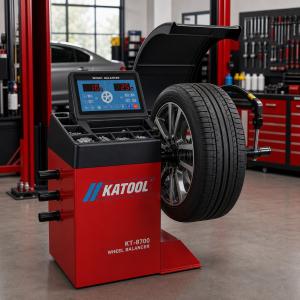
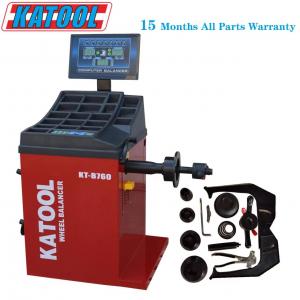
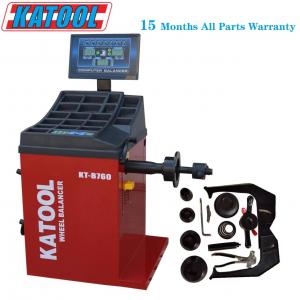
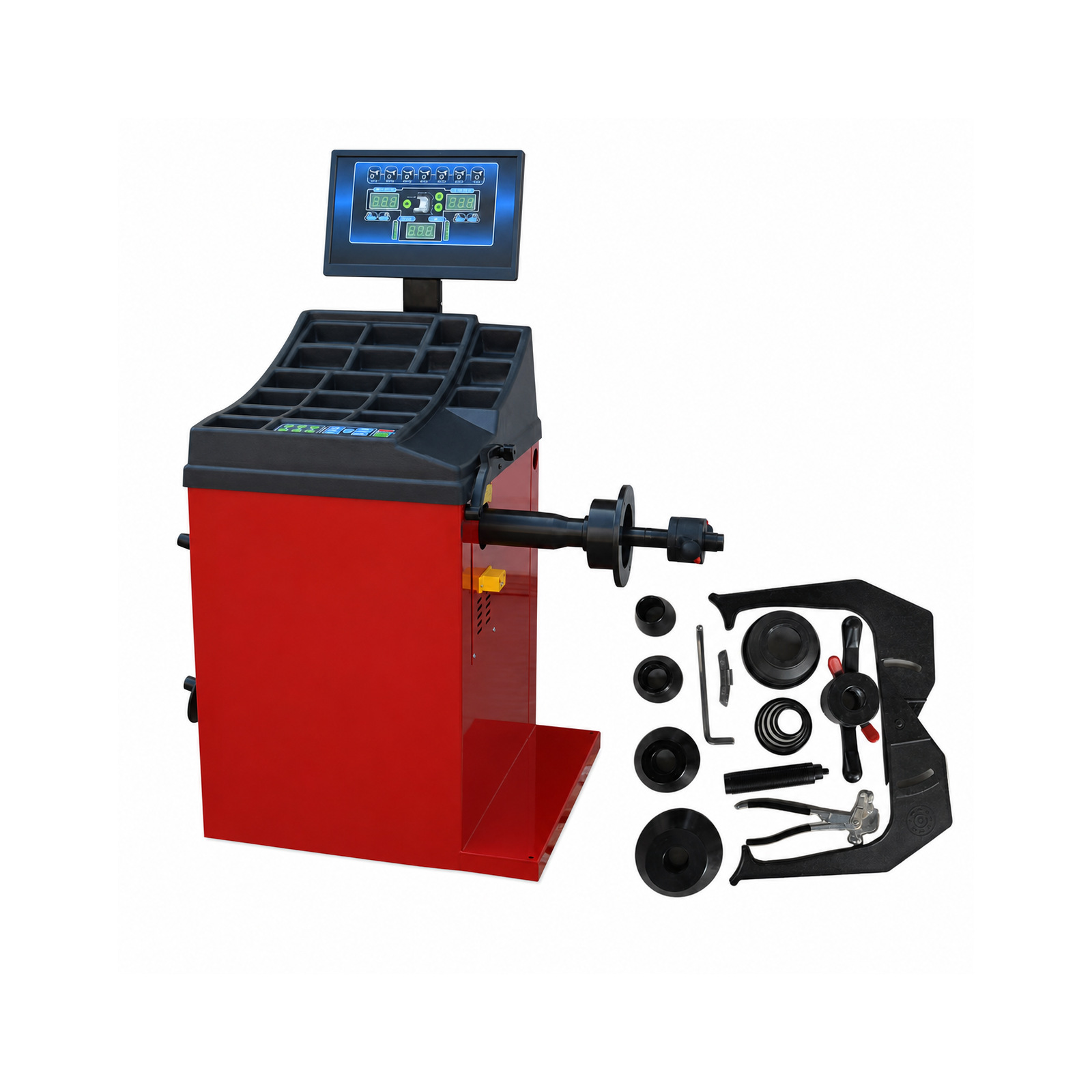
The Autokato KT-B760 wheel balancer is one model buyers can review when planning a professional passenger-vehicle balancing bay. Available cones, spacers and optional accessories should be confirmed for the intended wheel range before ordering.
When a Standard Cone Is Not Enough
Some wheels cannot be centered reliably with a standard tapered cone. Lug-centric wheels, wheels with unusual center bores, closed-center designs and certain light-truck applications may need a flange plate, stud adapter, collet or another model-specific accessory. The adapter should reproduce the way the wheel is located on the vehicle as closely as the approved balancing method allows.
A flange adapter can locate the wheel through its bolt pattern. Correct pin diameter, bolt-circle arrangement and tightening sequence matter. If pins are forced into the holes or the plate does not sit flat, the wheel may be damaged or mounted inaccurately. Heavy assemblies may also require equipment and accessories designed for their weight and dimensions.
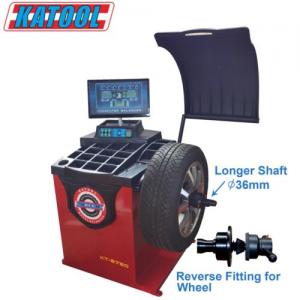
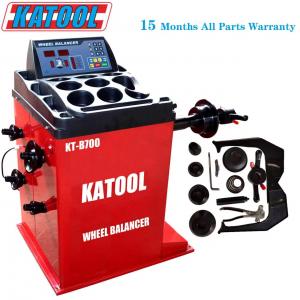
For workshops comparing different machine formats, the Autokato KT-B750 wheel balancer provides another passenger-vehicle option. Machine shaft size alone does not confirm that every third-party adapter is suitable; accessory compatibility should be verified with the equipment supplier.
Use Spacers and Pressure Cups Correctly
A spacer can create clearance between the wheel and balancer body or help position a wide wheel on the shaft. It must sit squarely and should not reduce shaft engagement below the safe requirement. A pressure cup or protective ring can distribute clamping force around the wheel face, but it still needs stable contact and must not rest on a decorative cap, loose insert or uneven surface.
The clamping nut should be tightened according to the machine and accessory procedure. Too little force may allow movement during the spin. Excessive force can distort components, damage a wheel finish or make results less repeatable. Keep threads clean and inspect the nut, cup and shaft for wear before daily use.
Perform a Remounting Repeatability Check
A simple repeatability check can help identify mounting variation. Balance or measure the assembly according to the machine instructions, remove it completely, rotate its position relative to the shaft and remount it with the same approved method. A significant change in the result suggests that the contact surfaces, cone choice, adapter, clamping procedure or wheel condition needs attention.
This check should not be confused with machine calibration. Review the wheel balancer installation requirements for flooring, power, clearance and initial setup factors. Also compare the shop's process with common mounting and balancing mistakes before changing machine settings.
Inspect and Organize Mounting Accessories
Cones and adapters should be stored where their machined surfaces will not be dropped, contaminated or struck by other tools. Inspect them for corrosion, dents, worn contact areas and damaged threads. Clean the balancer shaft and accessory bores using the maintenance method specified by the manufacturer. Lubricants should not be applied unless the equipment instructions call for them, because excess material can attract dirt and affect seating.
Shops can combine this routine with a broader wheel balancer maintenance plan. Labeling adapters by application can also help technicians select the correct equipment without relying on appearance alone.
Confirm Documentation and Accessory Compatibility
Before purchasing cones or adapters, record the balancer model, shaft diameter and thread specification, target wheel types, center-bore range, bolt patterns and maximum assembly dimensions. Check the available wheel balancer manuals and technical documents, then request current accessory information for the exact model.
Distributors and workshop buyers can contact Autokato with their common wheel applications and equipment requirements. Clear application details make it easier to identify a practical machine and accessory combination.
Conclusion
Reliable balancing depends on repeatable wheel mounting. Inspect the center bore, choose a cone that seats across a stable surface, use flange or model-specific adapters where necessary and apply consistent clamping procedure. When readings vary after remounting, check the wheel and mounting accessories before assuming the balancer is inaccurate. A disciplined selection and inspection process supports better repeatability and more efficient workshop service.